Introduction
In recent years, the landscape of nicotine consumption has undergone a remarkable transformation, primarily fueled by the introduction of various flavored nicotine products. Whether it’s traditional tobacco products or modern alternatives like nicotine pouches and snus, flavoring agents play an essential role in shaping user experiences and preferences. Understanding The Role of Flavoring Agents in Different Types of Nicotine Products not only illuminates consumer choices but also sparks discussions about public health implications and SNUS regulatory measures.
This article delves into the multifaceted world of flavored nicotine products, exploring their appeal, usage, safety concerns, and legal status while answering common queries regarding these popular alternatives to smoking.
What is Snus?
Snus is a moist powdered tobacco product that originated in Sweden and has gained popularity in various parts of the world. Unlike traditional chewing tobacco that requires spitting, snus is placed between the gum and lip for prolonged periods to release nicotine. This method provides users with a discreet way to consume nicotine without the need for combustion.
The Appeal of Snus
The appeal lies largely in its convenience and variety. Users can enjoy snus in various flavors—from minty freshness to fruity options—allowing them to tailor their experience according to personal preferences. The flavoring agents used in snus not only enhance taste but may also mask the inherent bitterness of tobacco.
How to Use Snus
Using snus is relatively straightforward:
Choose Your Flavor: Select a flavor that appeals to you. Open the Pouch: Most snus comes pre-packaged in pouches for ease. Place Between Gum and Lip: Insert it into your mouth without chewing. Enjoy: Allow it to sit for 30 minutes or more, depending on preference.What Does Snus Do?
When using snus, nicotine is absorbed through the gum lining into the bloodstream, providing a quick hit of satisfaction similar to smoking but without combustion-related byproducts like tar and ash.
Is Snus Bad for You?
Like any tobacco product, snus carries risks associated with nicotine consumption. While some research suggests lower risks compared to smoking cigarettes, long-term use can still lead to health issues such as gum disease or oral cancer.
Are There Any Health Risks?
- Gum Disease: Using snus may lead to gum recession over time. Oral Cancer: Although risk levels are debated, there remains concern regarding potential links. Nicotine Dependence: Regular use can lead to addiction.
What Are Nicotine Pouches?
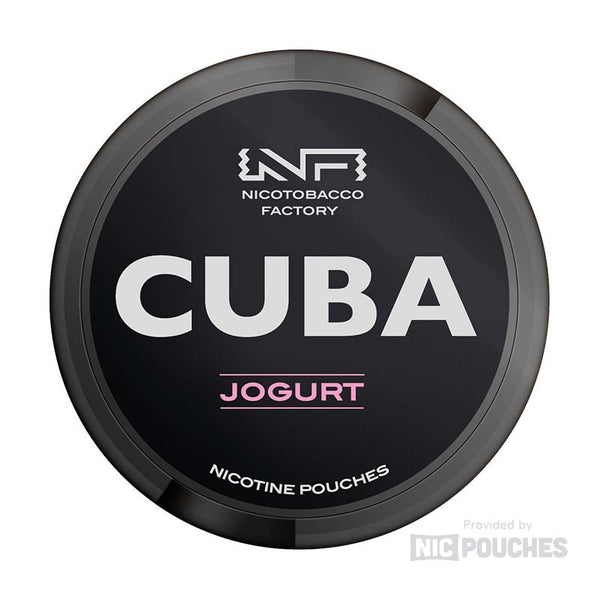
Nicotine pouches are a relatively new entrant into the world of nicotine delivery systems that do not contain tobacco leaf but deliver nicotine via flavor-infused pouches. They’re designed for users looking for a smoke-free experience without traditional tobacco's drawbacks.
Are Nicotine Pouches Safe?
While marketed as safer alternatives, studies about their long-term effects are limited. However, they often contain fewer harmful substances than traditional tobacco products.
Flavoring Agents Used in Nicotine Products
Flavoring agents are critical components across various types of nicotine products. They enhance user enjoyment by offering unique tastes ranging from classic mint flavors to exotic fruit blends.
Why Are Flavorings Important?
- They increase product attractiveness especially among younger consumers. They can help mask unpleasant tastes associated with raw tobacco. A diverse range allows users personalized experiences which may encourage higher sales numbers.
Is Snus Legal? Where Can You Buy It?
In many countries including Sweden and Norway, snus is perfectly legal; however, other regions impose strict regulations or outright bans on its sale due to health concerns.
Is Snus Illegal?
- In some areas like Australia and Canada, selling snus is illegal.
Where To Buy Snus
Many online retailers specialize in sending snus right at your doorstep if it's legal in your area; local convenience stores might also carry specific brands.
Can You Take Snus on a Plane? What About International Travel?
Travel regulations vary significantly from one country to another when it comes to carrying tobacco products including snus:
Always check local regulations before traveling with any form of nicotine product. Some airlines allow them in carry-on luggage while others may have restrictions.Comparing Snus with Other Nicotine Delivery Systems
Understanding how flavored agents function across different products can be enlightening:
| Product Type | Contains Tobacco | Flavor Variety | User Experience | |-------------------------|------------------|-----------------------|--------------------------| | Traditional Cigarettes | Yes | Limited | Combustion-based | | Snuff | Yes | Moderate | Moist powder | | Snus | Yes | Wide variety | Discreet pouch | | Nicotine Pouches | No | Extensive | Clean delivery |
FAQs
What happens if you swallow snus?
Swallowing snus can lead to nausea or discomfort due to high nicotine levels being ingested directly rather than through absorption via gums.
How long does snus last?
A pouch typically stays effective for 30 minutes up until an hour depending on personal tolerance levels.
Is there fiberglass in snus?
Contrary to myths circulating online, reputable manufacturers do not include fiberglass as an ingredient; it's primarily made from finely ground tobacco leaves.
Why do footballers use snus?
Many athletes opt for smokeless alternatives like snus due its discreet nature and lower health risks compared with smoking cigarettes during games or training sessions.
Can I reuse stnus?
Reusing a pouch is generally discouraged due hygiene concerns; however some users report doing so if they feel comfortable with it.
li19/ol3/##
Conclusion
The role of flavoring agents in different types of nicotine products cannot be understated; they significantly alter user experiences while affecting public perception around these items as well as influencing legislative debates surrounding them globally! Understanding both their advantages alongside potential health risks will empower consumers making informed decisions about their usage patterns going forward—ultimately enabling healthier lifestyles!